
Join our mission as a civil society organisation
Civil society is the bedrock on which human rights are founded. We are so much stronger when working together to secure the human rights of tea workers and farmers.
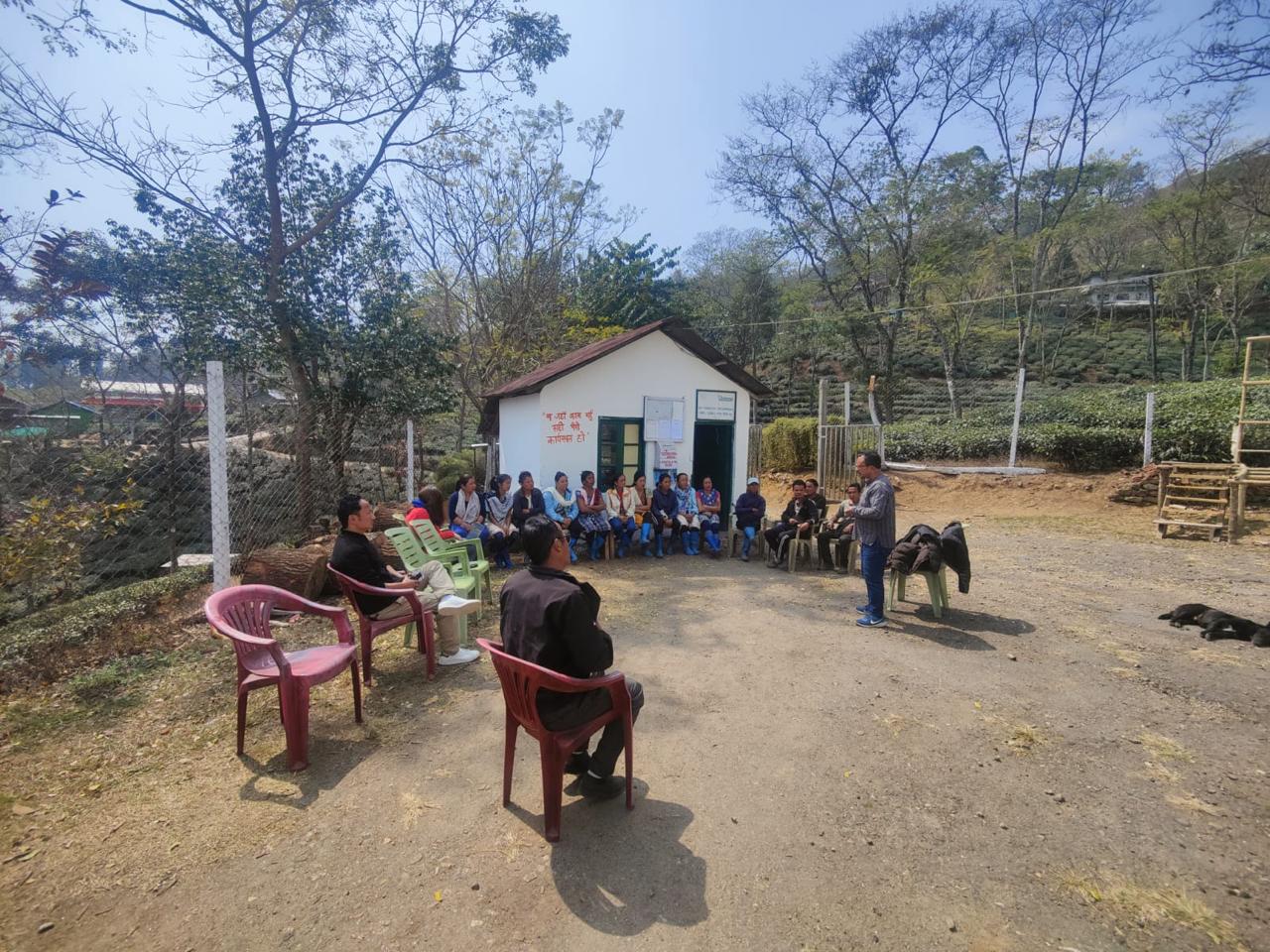
By working with THIRST you are joining a network of organisations who are all striving to ensure that the human rights of tea workers and farmers are respected and protected. Below are some of the ways that you can reinforce your own mission by joining THIRST’s mission, but we are always open to discussing other ideas and suggestions.

Campaign with THIRST
THIRST’s root cause analysis of human rights breaches in the tea sector identified lack of transparency as one of the key root causes. Information campaigns shining alight on the challenges faced by tea workers and their employers can help raise awareness among consumers and investors, who can call for change.
THIRST can enhance joint campaigns through its connections with stakeholders at every level of the tea value chain; ongoing research that keeps us in touch with their needs and ideas; understanding of the dynamics of the whole value chain. THIRST can also provide extensive information resources on human rights in the tea sector.
Research with THIRST
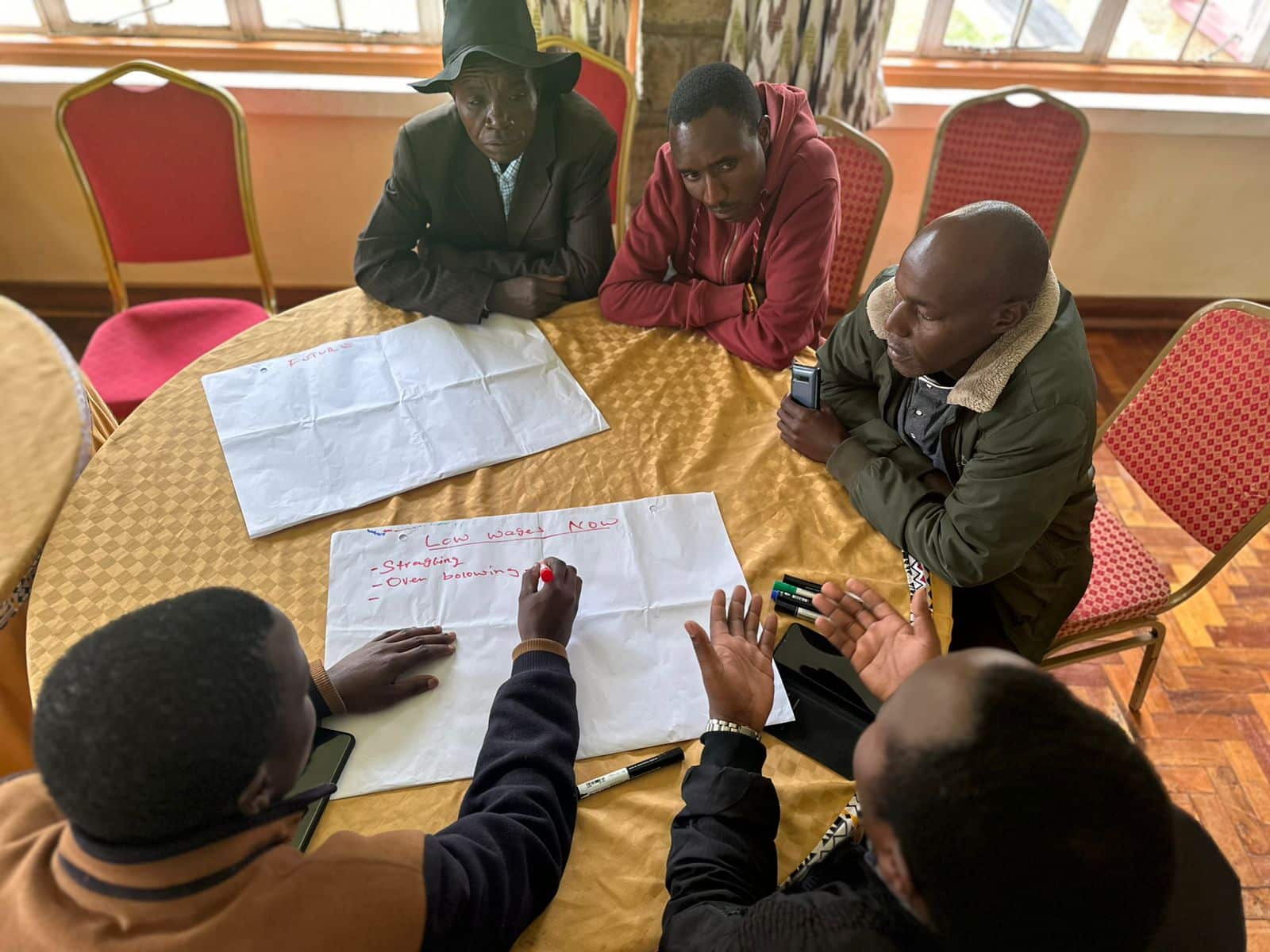
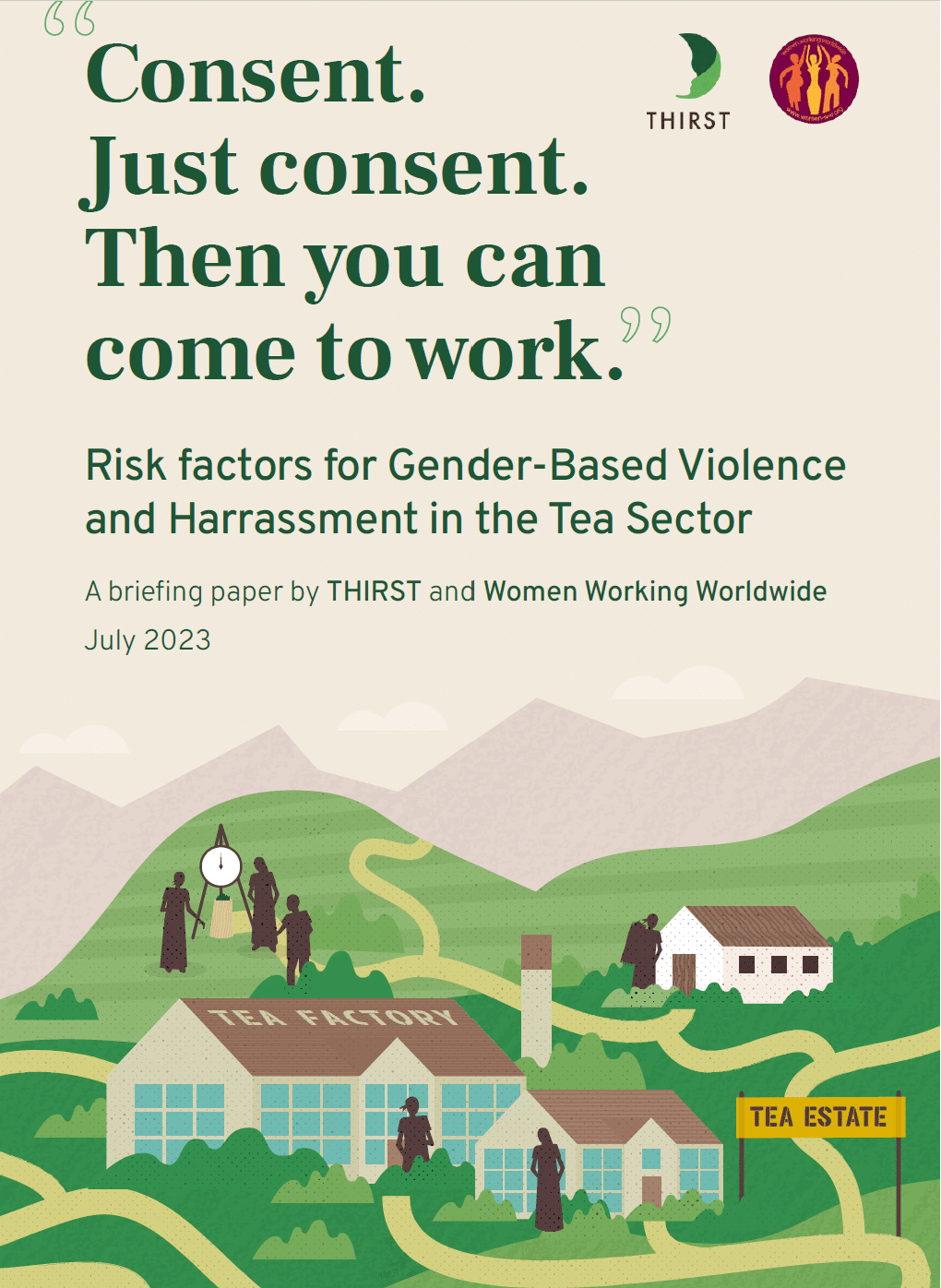
By pooling our knowledge and resources we create a deeper understanding of the issues and their potential solutions, resulting in powerful tools for change. A good example is ‘Consent….’ the 2024 briefing on the risk factors for gender-based violence in the tea sector produced by THIRST and Women Working Worldwide and consultant Michael Pennant-Jones. Each of us brought different strengths and perspectives to the table making for a really practical and well informed briefing. Following a BBC exposé on gender-based violence on Kenyan tea plantations. Typhoo’s groundbreaking Fear Free Tea campaign drew extensively from our briefing.
What could we research together with you? How could we complement each other’s knowledge to create something equally powerful?
Advocate with THIRST
THIRST’s human rights impact assessment incorporates the perspectives of both industry and many civil society actors. This has enabled us to develop a strong framework for advocacy, with the root cause analysis as a starting point.
Having aligned messages and jointly calling on the industry and decision-makers to tackle these root causes is more likely to bring about systemic change than individual calls to action.
Programme with THIRST
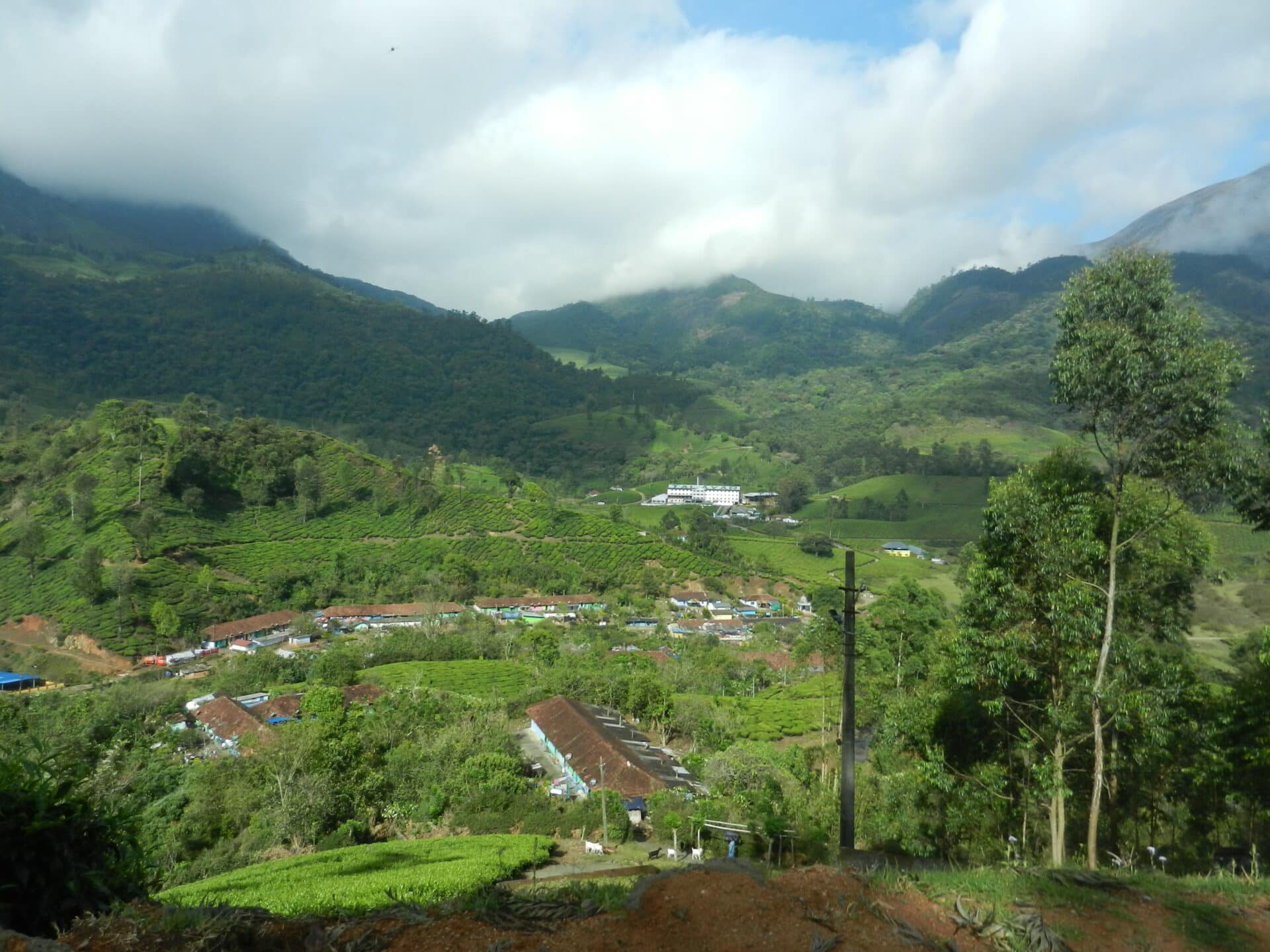
Your programmes on the ground with the women, men and children at the source of the tea value chain can be strengthened and enhanced when it is informed by an understanding of the bigger picture. THIRST’s study on human rights in the tea sector provides this global perspective. For example, if you are trying to address the issue of poor quality healthcare on tea plantations – understanding the financial, political and social pressures under which plantations operate may help to identify challenges that originate further up the value chain and thus to find more sustainable solutions.

Coordinate with THIRST
By being aware of each other’s plans and activities we can ensure that we reinforce each other’s work rather than duplicate or even potentially undermine it. Let THIRST know your plans for programmes, research, advocacy and campaigns so that we can share them and identify opportunities for collaboration – or just to schedule them so they don’t clash.
Together we are not only stronger, we are more coherent, more effective and likely to have a more lasting and meaningful impact on the lives of tea worker and farmers.
From our Knowledge Hub
-
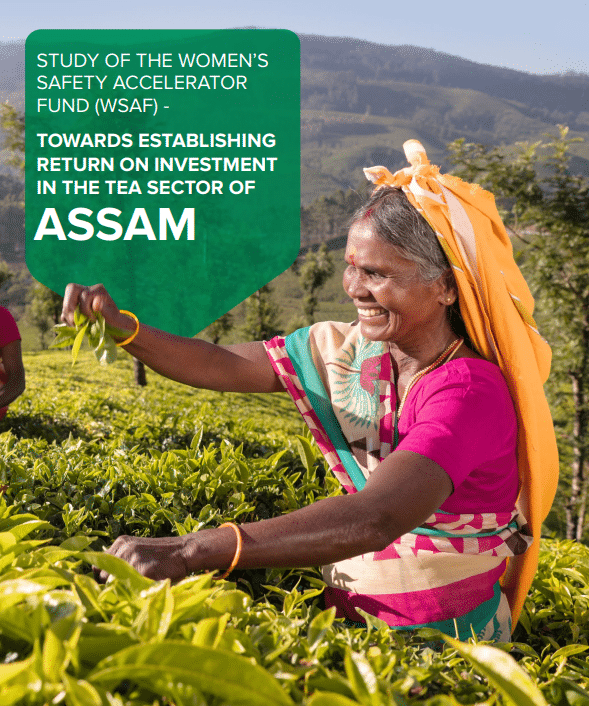
Study of the Women’s Safety Accelerator Fund
View resource : Study of the Women’s Safety Accelerator FundA comprehensive study to empirically assess the economic costs of GBV and establish the return on investment (ROI) for the WSAF in the tea industry and other agricultural value chains, thereby presenting a business case for investments in GBV prevention…
-
Assessing the carbon footprint of tea production
View resource : Assessing the carbon footprint of tea productionThe objective of this document is to propose a methodology to measure the carbon footprint of the tea sector, and examine the data requirements and some other critical aspects in relation to the implementation of the proposed method.
-
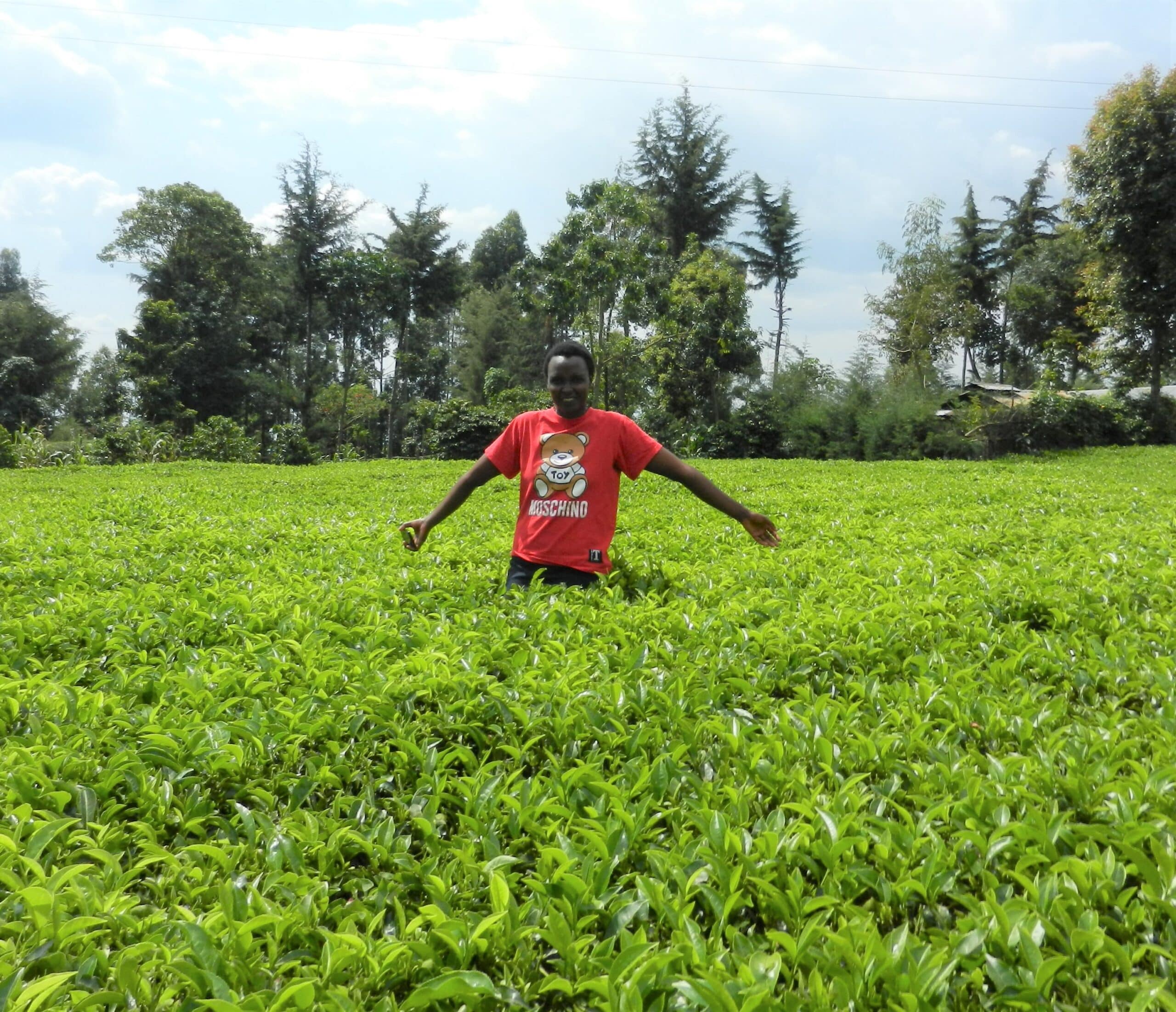
Alternative approaches: A national agency strengthens smallholders’ power
View resource : Alternative approaches: A national agency strengthens smallholders’ powerKTDA’s national aggregation model brings thousands of smallholder tea farmers under one shared structure so they can negotiate, grow and trade from a position of strength. Sudi Matara shares insights into how the system works, its successes and challenges.
-
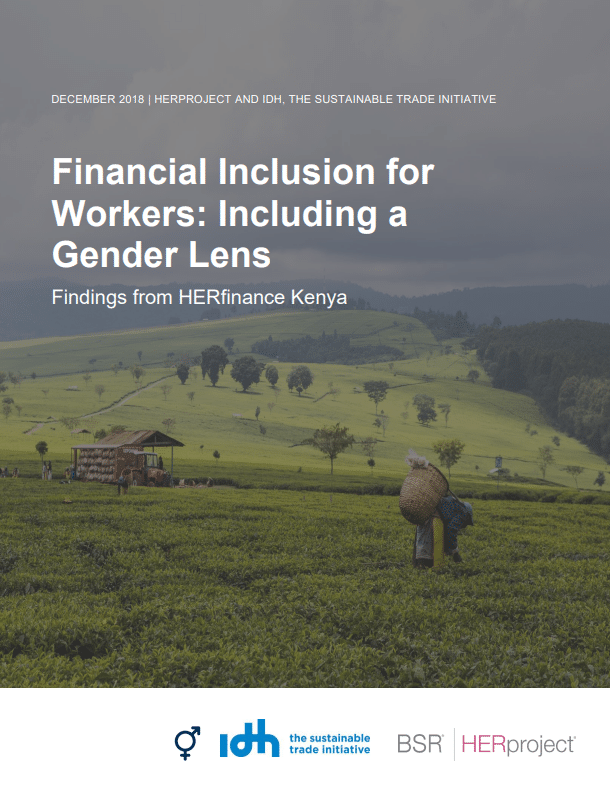
Financial Inclusion for Workers: Including a Gender Lens
View resource : Financial Inclusion for Workers: Including a Gender LensThis brief seeks to provide practical advice on how to integrate a gender lens into financial inclusion programs designed for low-income workers. The study assessed the financial knowledge, capabilities, and confidence of workers in the tea and flower sectors, and…