
What can the tea industry learn about sustainability from coffee?

Upcoming event
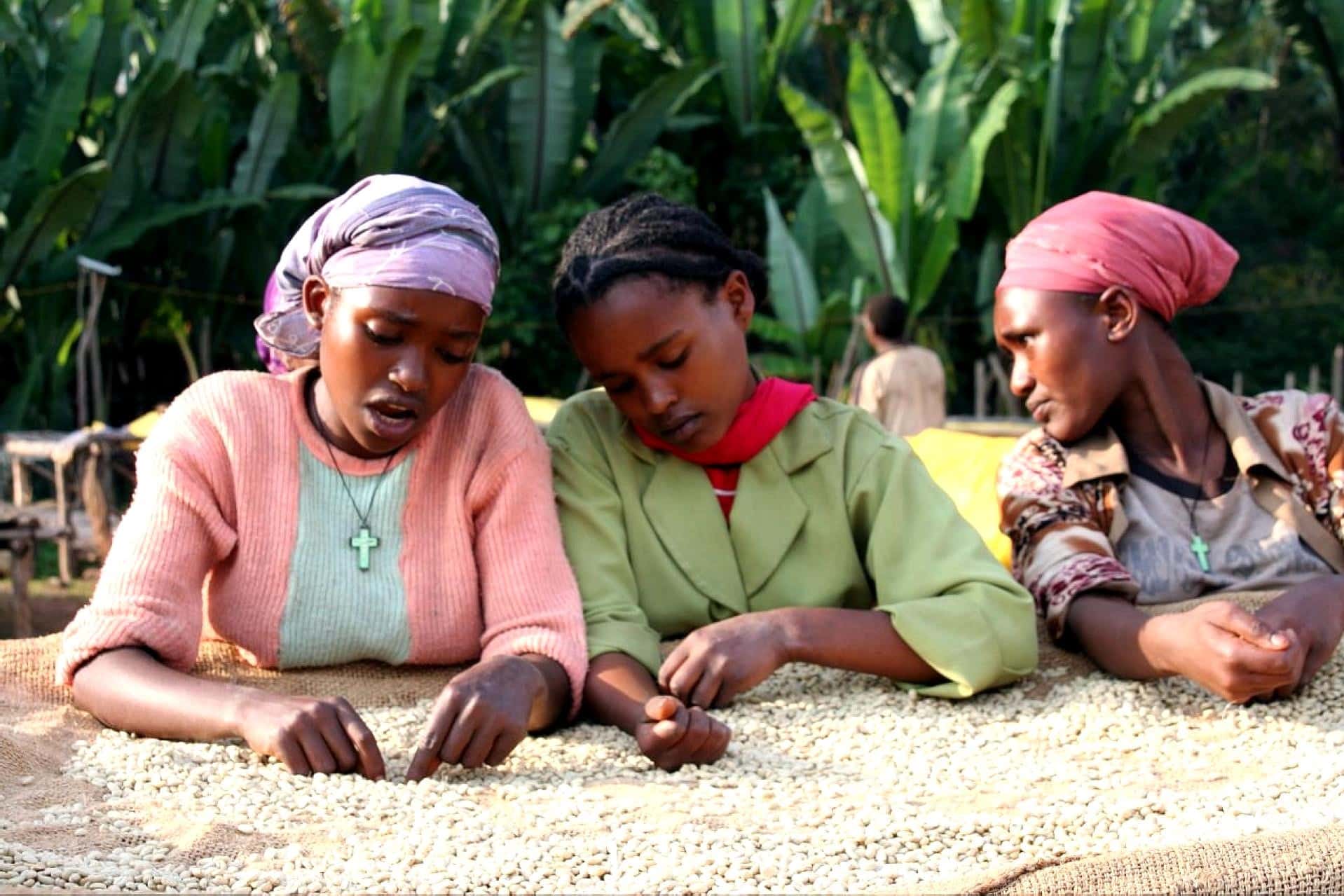
Women coffee farmers, Ethiopia. Photo: Christof Krackhardt, USAID
Event description
Date and time

Ticket price
Free – or with voluntary donation (suggested amount £15)
Why is this subject important?
The coffee sector can share many examples of collaborative efforts to tackle sustainability issues. The tea industry is sarting to do the same – it is important to learn what is worth replicating and what to avoid before embarking on a similar journey.
What will this webinar cover?
- What coffee has got right on collaboration and where it has fallen short
- What meaningful investment and accountability look like
- How current approaches can be strengthened
- What tea can learn and what it should avoid repeating
How will attending this event benefit me / my organisation?
It will widen your knowledge of the practical application of theories in a similar commodity.
About the speakers
Ashlee Tuttleman is currently Global Coffee Lead at VOCAL (Voice of Organizations in Coffee Alliance), a civil society coalition working towards a more sustainable and just coffee sector. She was formerly IDH’s Global Learning, Impact & Innovation Lead on Smallholder Sourcing & Services.
She has spent the past 15 years working across agricultural supply chains, focusing on equity and power in how they operate. Her experience spans farming communities in Africa, Latin America and Asia, across coffee, cocoa and horticultural products.
Her work ranges from field-level engagement, to building agri-businesses in East Africa, to policy advocacy in Brussels. She brings a systems perspective that connects grassroots realities with business practice and wider socio-political and historical context.
This webinar tackles the following root causes of human rights breaches in the tea industry
Fragmentation, competition over collaboration
Related resources
-
Study of the Women’s Safety Accelerator Fund
 Report Council For Social DevelopmentIndia
A comprehensive study to empirically assess the economic costs of GBV and establish the return on investment (ROI) for the WSAF in the tea industry and other agricultural value chains, thereby presenting a business case for investments in GBV prevention…
-
Assessing the carbon footprint of tea production
Report Tools FAO IGG on TeaWorldwideThe objective of this document is to propose a methodology to measure the carbon footprint of the tea sector, and examine the data requirements and some other critical aspects in relation to the implementation of the proposed method.
-
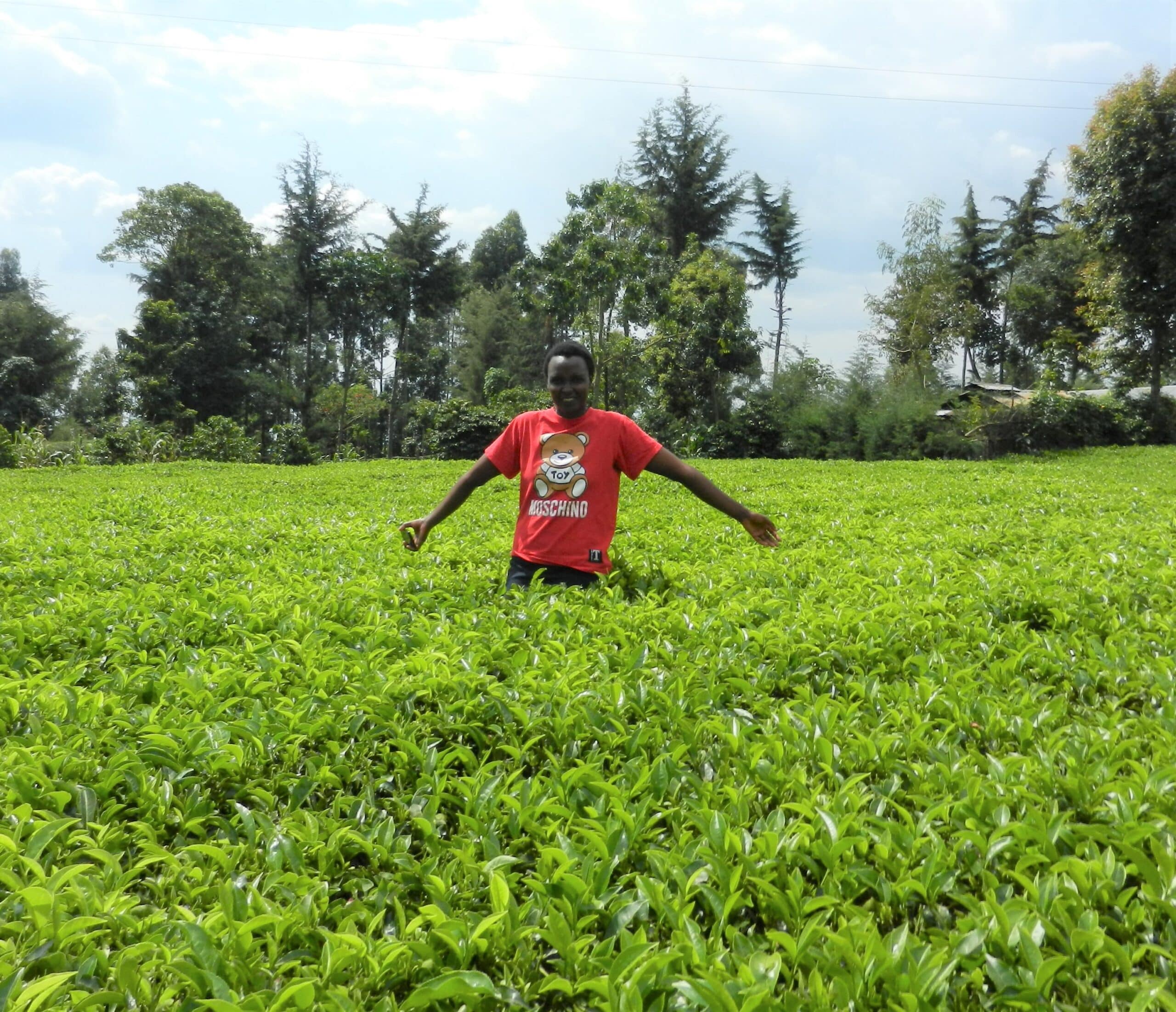
Alternative approaches: A national agency strengthens smallholders’ power
KTDA’s national aggregation model brings thousands of smallholder tea farmers under one shared structure so they can negotiate, grow and trade from a position of strength. Sudi Matara shares insights into how the system works, its successes and challenges.
-
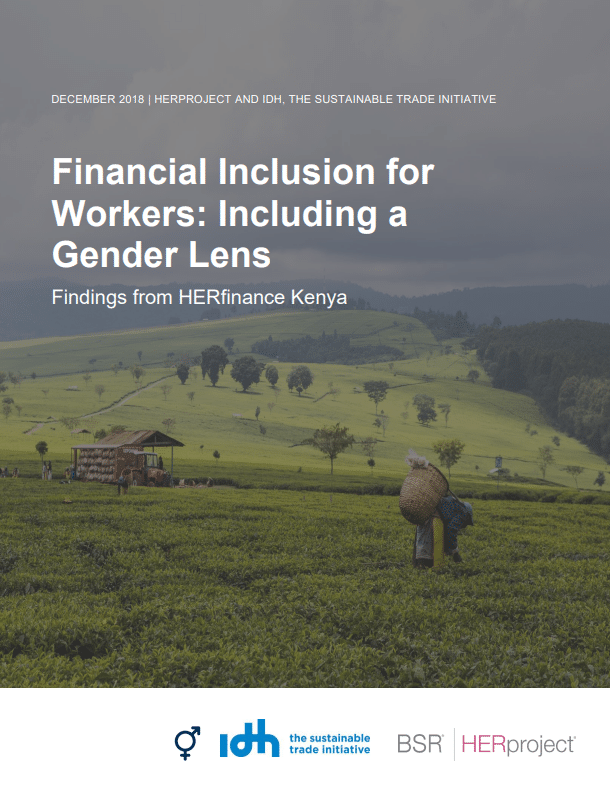
Financial Inclusion for Workers: Including a Gender Lens
Report IDHKenyaThis brief seeks to provide practical advice on how to integrate a gender lens into financial inclusion programs designed for low-income workers. The study assessed the financial knowledge, capabilities, and confidence of workers in the tea and flower sectors, and…